Transferring Marriott Points A Comprehensive Guide
Transferring Marriott points opens up a world of travel possibilities, allowing you to leverage your accumulated rewards with various partners. This guide dives deep into the intricacies of transferring Marriott Bonvoy points, outlining the available methods, potential issues, and strategies for maximizing value.
From understanding the different transfer rates and methods to exploring alternative strategies and potential pitfalls, this comprehensive overview will empower you to make informed decisions about your Marriott point transfers. We’ll cover everything from the basics of transferability to maximizing your rewards and troubleshooting common problems.
Introduction to Marriott Points Transfer
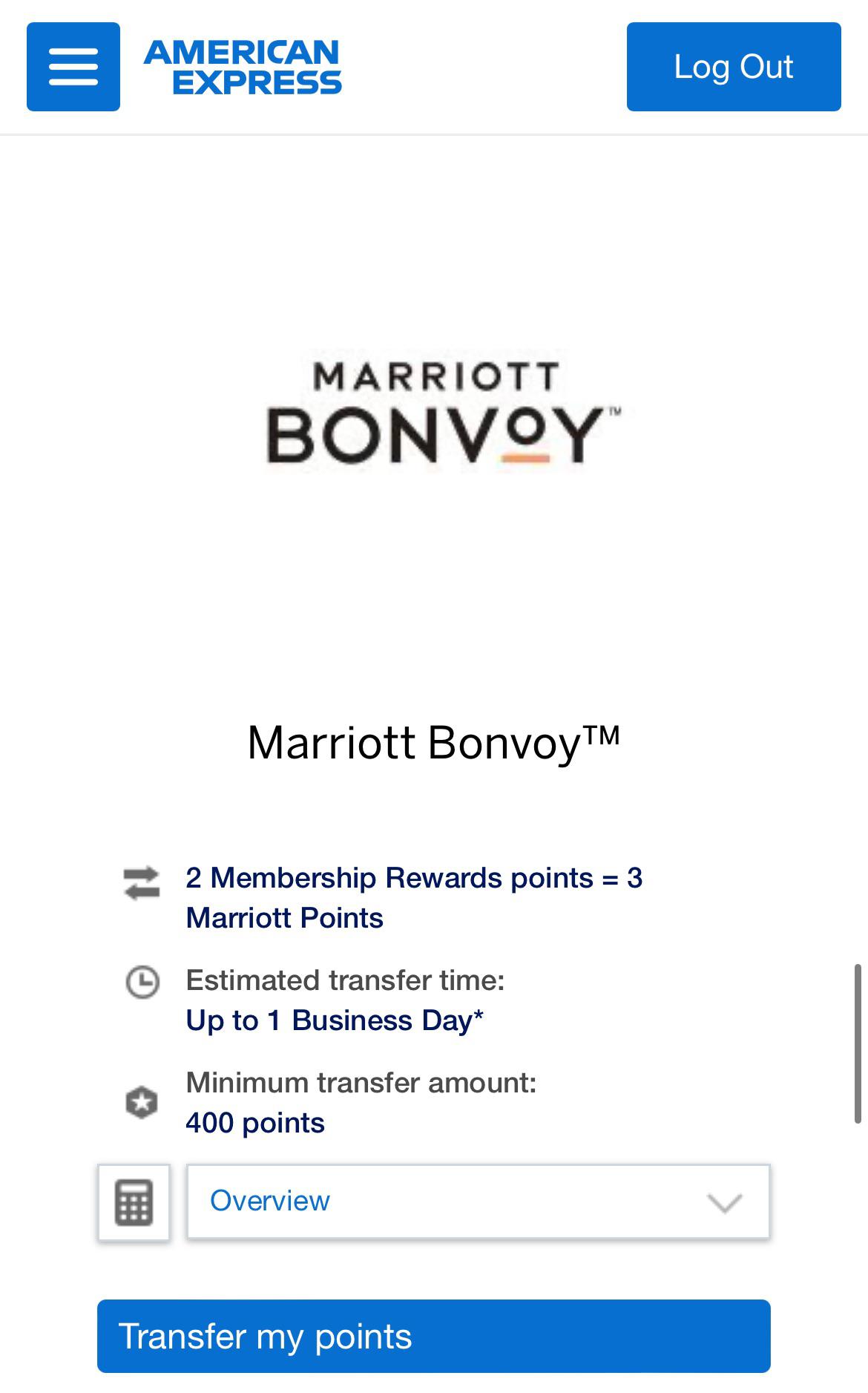
Marriott Bonvoy points are a valuable currency within the Marriott hotel loyalty program. These points can be transferred to other hotel loyalty programs, offering flexibility and potential rewards beyond the Marriott network. This allows travelers to accumulate points across various hotel chains, maximizing their travel rewards potential.
Transferring Marriott Bonvoy points provides significant benefits, including access to a wider range of hotel options and potentially faster accumulation of elite status in other programs. This versatility is a key aspect of the program, appealing to frequent travelers and those seeking comprehensive travel rewards.
Marriott Bonvoy Point Transfer Partners
Marriott Bonvoy points can be transferred to a variety of partner programs, providing travelers with diverse options. This expansion beyond the Marriott network offers a wealth of choices for travelers looking to accumulate points or redeem them at partner properties.
Partner Program Transfer Rates
The transfer rate between Marriott Bonvoy and partner programs varies. This difference is often influenced by the program’s value and the potential for earning or redeeming points. The table below showcases a selection of partner programs and their corresponding transfer rates.
| Partner Program | Transfer Rate |
|---|---|
| World of Hyatt | 1:1.25 |
| Hilton Honors | 1:1.5 |
| IHG Rewards Club | 1:1.2 |
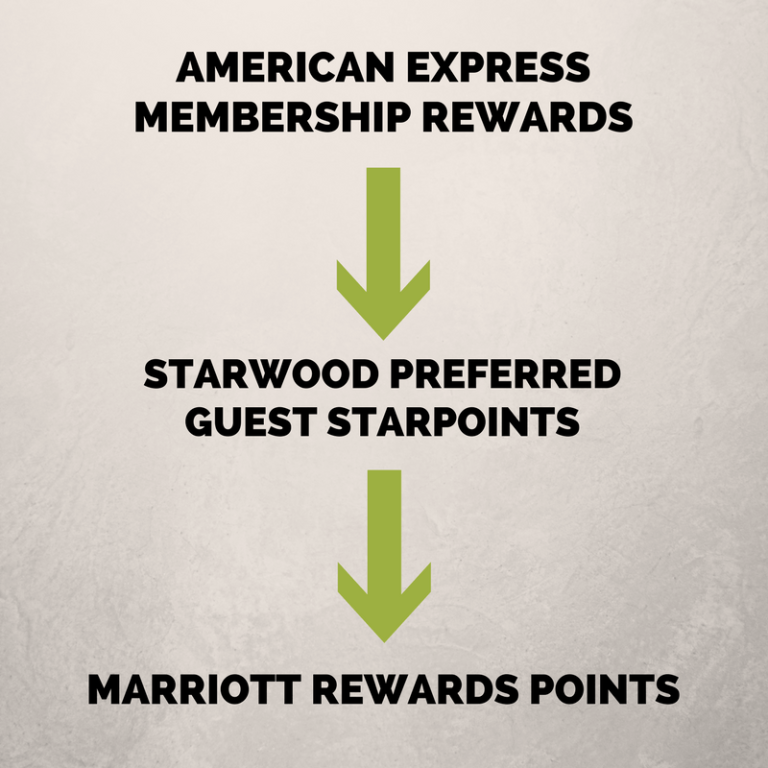
| Starwood Preferred Guest (SPG) | 1:1.1 |
| Accor Live Limitless | 1:1.3 |
Understanding Transfer Methods
Transferring Marriott points to other programs or accounts is a valuable strategy for maximizing their utility. Understanding the available transfer methods and their associated characteristics is crucial for making informed decisions. Different methods offer varying degrees of ease, speed, and cost, impacting the overall efficiency of the transfer process.
Different transfer methods provide varying degrees of flexibility, speed, and cost, so a thorough evaluation is necessary before choosing a method.
Transfer Methods Overview
Various options are available for transferring Marriott points, each with its own set of advantages and disadvantages. Direct transfers, third-party platforms, and potentially even in-house transfers within the Marriott ecosystem are common.
- Direct Transfers: These methods involve a direct exchange between the Marriott program and the destination program. They often provide the most streamlined process, as they circumvent intermediary platforms. However, the availability of direct transfer options depends on the specific partner program. Direct transfers can be a preferred method when they are available, as they are generally quicker and more efficient compared to other options.
- Third-Party Platforms: These platforms act as intermediaries, facilitating the transfer of points between programs. They can offer broader options for transfer destinations, potentially connecting to a wider network of partner programs. However, these services often come with fees and may impact the speed of the transfer process. The fees associated with third-party platforms should be carefully considered, as they can significantly influence the overall cost of the transfer.
Comparing Transfer Processes
The speed and ease of transfer methods vary significantly. Direct transfers typically involve fewer steps and are faster than transfers through third-party platforms. Factors such as the volume of points being transferred and the availability of direct transfer routes can also impact the speed of the process. Understanding these nuances is critical for managing expectations.
Transfer Method Comparison Table
| Transfer Method | Pros | Cons | Fee |
|---|---|---|---|
| Direct Transfer (e.g., Marriott Bonvoy to Star Alliance) | Generally faster, potentially no fees, direct interaction with the destination program | Limited availability of destinations requires specific program partnerships | Typically None |
| Third-Party Platform (e.g., PointSwap) | Wider range of transfer destinations, often more convenient options | Fees charged by the platform, potentially slower processing time | Fees vary depending on the platform and transfer amount |
Transferring Points to Specific Programs
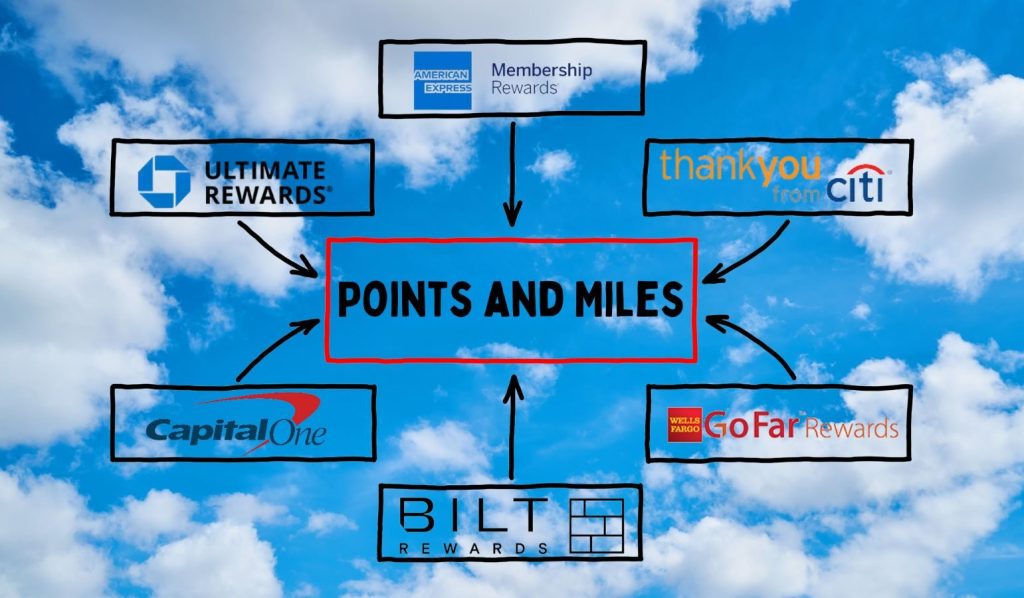
Marriott Bonvoy points can be transferred to various partner programs, offering flexibility in accumulating and utilizing rewards. This allows members to leverage their points across a broader spectrum of travel and lifestyle experiences. Understanding the specific transfer process and associated limitations is crucial for maximizing the value of these points.
Transferring points to partner programs typically involves a direct exchange between the Marriott Bonvoy account and the partner program’s account. This process often requires the user to initiate the transfer request within the Marriott Bonvoy platform. The specific steps and requirements can vary significantly depending on the partner program.
Partner Program Transfer Process
The process of transferring points to a specific partner program is generally straightforward, though the specifics can differ. Each partner program has its transfer policy and procedures. It’s important to check the specific program’s website for the most up-to-date details. This allows users to understand the rules, limits, and requirements.
Transfer Examples
Different partner programs offer varying transfer ratios and requirements. For example, transferring points to a Starwood Preferred Guest (SPG) account may have a 1:1 ratio, meaning one Marriott Bonvoy point equals one SPG point. However, other programs might have different exchange rates. Furthermore, the transfer limit and timing may also differ, so users should always consult the partner program’s terms and conditions.
Transfer Limitations and Restrictions
Some partner programs might have limitations on the maximum amount of points that can be transferred at one time. Also, transfer requests may have processing times. These limits are typically designed to maintain the balance between program participants and prevent abuse of the transfer process. Additionally, some programs may impose restrictions on the frequency of transfers or have time windows for transfers. Therefore, users should thoroughly review the transfer guidelines of the specific program to avoid any potential issues or complications.
Required Forms and Documents
The need for forms or documents for point transfers varies between programs. Generally, no additional forms or documents are required for transfers. However, some programs might require the user to provide additional verification to ensure the legitimacy of the transfer request. This step is implemented to protect both the user and the program from potential fraud. Therefore, users should be cautious and verify the specific program requirements before initiating the transfer.
Factors Affecting Transfer Rates
Marriott Bonvoy points, while valuable, don’t always translate directly and equally to other programs. Transfer rates are not static; they are influenced by various factors that affect the ultimate value you receive for your points. Understanding these factors is crucial for maximizing the return on your Marriott Bonvoy investment when transferring points.
Transfer rates are not uniform. They vary based on several elements. The destination program, the time of year, and any promotional offers can all influence how many Marriott points are required to acquire a certain number of points in another program. These differences in rates are not arbitrary; they reflect the relative value each program places on its points and the market dynamics at play.
Destination Program Influence
Different programs have varying valuations for points. Some programs are more coveted, offering greater rewards and flexibility. This disparity in perceived value directly impacts the transfer rate. For instance, a transfer to a frequent flyer program with a strong reputation for elite status accrual or access to exclusive lounges might have a lower transfer rate, as the program is considered more valuable. Conversely, a transfer to a program with a more limited scope of benefits might have a higher transfer rate. This difference reflects the perceived value and availability of benefits within each program.
Time of Year and Promotional Influences
Transfer rates can fluctuate seasonally. Certain times of the year might see higher transfer rates due to increased demand or promotional periods. Likewise, programs may offer temporary promotions that enhance the value of transfers during specific time frames. It’s important to be aware of these temporary rate adjustments and take advantage of promotions when possible. For example, during peak travel seasons, transfer rates might be lower to incentivize travel and maintain program participation. Alternatively, a program might offer a special promotion for a limited time, potentially increasing the transfer rate for a particular period.
Relationship Between Transfer Rates and Destination Program
The destination program plays a critical role in determining the transfer rate. A program with highly sought-after benefits or a strong reputation will likely have a lower transfer rate compared to a program with less perceived value. This is because the destination program’s value influences the market rate for points. This relationship is complex and depends on several factors. For example, a transfer to a program with access to a vast global network of airports or a sophisticated rewards system could have a lower transfer rate.
Promotional Periods and Transfer Rates
Programs frequently implement promotional periods to incentivize transfers. These periods often involve temporary increases in transfer rates. Staying updated on these promotions can significantly improve the value of transferred points. Tracking program announcements and utilizing resources like dedicated travel blogs or loyalty program websites can help identify and capitalize on these promotional periods. For example, some programs might offer bonus points or higher transfer rates for a limited time.
Potential Issues and Troubleshooting: Transferring Marriott Points
Transferring Marriott points can be a straightforward process, but occasional hiccups can occur. Understanding potential issues and their resolutions can prevent frustration and ensure a smooth transfer. This section details common problems, troubleshooting steps, and support avenues for a successful point transfer.
Point transfers, while generally reliable, are susceptible to occasional technical difficulties or human errors. Proactive measures and a clear understanding of the transfer process can help minimize issues and facilitate a swift resolution.
Common Transfer Failures
Transfer failures can stem from various factors. Incorrect account information, insufficient source points, or temporary system issues are common causes. Carefully verifying details before initiating a transfer is crucial.
- Incorrect Account Information: Mistyping email addresses, account numbers, or passwords can lead to transfer failures. Double-checking all details is essential to prevent errors. Ensure that the destination program’s account information is accurate and matches the details of the source account. Double-checking for typos is crucial.
- Insufficient Source Points: Attempting to transfer more points than available in the source account will result in a failed transfer. Review your Marriott points balance before initiating a transfer to confirm sufficient funds.
- Temporary System Issues: Like any online system, the Marriott transfer platform can experience temporary outages or glitches. Waiting for a short period and retrying the transfer might resolve the issue.
- Network Connectivity Problems: An unstable internet connection can disrupt the transfer process. Ensuring a stable and reliable internet connection can prevent failures.
Resolving Transfer Failures
Troubleshooting transfer issues involves a systematic approach. Retrying the transfer after a short delay, verifying account information, and checking for system outages are vital steps.
- Retry the Transfer: If a transfer fails, wait a short period and try again. Temporary system issues are common and often resolve themselves. Give the system time to process the transfer request.
- Verify Account Information: Carefully review the source and destination account information. Typos or discrepancies in the details can prevent successful transfers. Ensure all details are accurate and match the source and destination accounts.
- Check for System Outages: Monitor Marriott’s official channels for announcements about system outages. If a transfer fails during a known outage, retrying later may be more successful.
- Contact Customer Support: If troubleshooting efforts fail, contacting customer support is the next step. They can provide specific guidance and resolve issues that may require manual intervention. Customer support can offer valuable assistance when other solutions are ineffective.
Disputing Incorrect Transfer Rates
In cases of incorrect transfer rates, a formal dispute process is available. Thorough documentation of the original transfer request and the incorrect rate is crucial for a successful dispute.
- Gather Documentation: Keep records of the transfer request, the original transfer rate, and any correspondence with Marriott. Documentation is essential for a successful dispute.
- Contact Customer Support: Contact Marriott customer support to initiate a dispute. Provide all relevant documentation to support your claim. Detailed documentation will expedite the resolution process.
- Follow Up on the Dispute: Maintain communication with the support team to track the progress of the dispute. Prompt follow-up can expedite the process and ensure your concerns are addressed.
Contacting Customer Support
Marriott offers various channels for customer support. Understanding these avenues can streamline the process of resolving issues.
- Online Support: Marriott’s website often provides online support resources, FAQs, and chat options. Exploring these resources may resolve simple issues.
- Phone Support: Phone support can offer personalized assistance and a direct connection with a representative for more complex issues. Phone support is available for more intricate problems.
- Email Support: Email support can be a valuable avenue for documenting issues and inquiries. Email is useful for detailed inquiries and documentation.
Maximizing Value During Transfers

Effectively transferring Marriott points maximizes their value, allowing you to leverage them for desired rewards and experiences. Careful consideration of transfer partners, programs, and historical data is crucial to achieving the best possible outcomes. This section provides Artikels’ strategies for optimizing the return on your invested Marriott points.
Choosing the Best Transfer Partners
Strategic selection of transfer partners is vital. Consider the value proposition of each partner program relative to your travel preferences and needs. A partner offering higher points-to-miles conversion rates or unique perks, like elite status bonuses or access to exclusive experiences, will often yield a better return. Some partners might offer better deals for specific destinations or travel styles.
- Assess Conversion Rates: Carefully compare the conversion rates offered by various programs. A program that offers a 1:1 or higher conversion rate will generally provide a more valuable return. For example, a transfer that converts 10,000 Marriott points to 10,000 miles from a partner airline will be more favorable than a transfer that converts 10,000 Marriott points to only 5,000 miles.
- Evaluate Program Perks: Look beyond just conversion rates. Consider perks like free checked bags, lounge access, or elite status acceleration that might enhance the overall value of your transferred points. Some programs may offer bonuses or benefits that are tailored to specific travel styles.
Tracking and Monitoring Transfer History
Maintaining a detailed record of your transfer history allows for informed decision-making in the future. This allows you to identify patterns, understand the performance of different transfer programs, and optimize future transfers.
- Maintain a Log: Create a spreadsheet or use a dedicated points tracking application to record each transfer, including the date, program transferred to, the conversion rate, and any associated perks or bonuses received. This will allow you to assess past performance.
- Analyze Patterns: Regularly review your transfer history to identify trends in conversion rates and program benefits. This can help predict which programs offer the most favorable conditions for future transfers. For example, if a particular airline consistently offers higher conversion rates, you might favor that program over others.
Potential Rewards Programs
Transferring Marriott points to various partner programs can unlock a wider range of rewards. Understanding the various benefits offered by these partners is crucial to maximizing the value of your transferred points.
- Airline Partnerships: Transferring to airline programs allows you to accrue miles for flights, potentially leading to free or discounted air travel. This is a popular use case as it allows travelers to accumulate miles for future travel.
- Hotel Partnerships: Some partners may offer exclusive hotel stays or discounts, allowing you to utilize transferred points for lodging. These programs provide options for diverse travel experiences.
Alternative Transfer Strategies
Beyond direct transfers, several alternative strategies can maximize the value of your Marriott Bonvoy points. These strategies often involve leveraging third-party platforms or creative booking approaches to obtain better deals or achieve specific travel goals. Understanding these alternatives can significantly expand your options when planning trips.
Alternative strategies can be advantageous when direct transfer options aren’t available or when you seek specific benefits. Careful consideration of these approaches, combined with an understanding of your travel preferences, can optimize your point utilization.
Exploring Third-Party Transfer Services
Utilizing third-party transfer services can be a viable option when direct transfer pathways are unavailable or less favorable. These services act as intermediaries, facilitating the exchange of points between different loyalty programs. It’s crucial to carefully evaluate these services to ensure they align with your needs and goals.
- Third-party transfer services often offer a broader range of transfer options, potentially connecting you with programs you couldn’t reach directly. This flexibility can be extremely valuable for accessing desirable accommodations or rewards in niche markets. However, be aware of potential fees and commissions that these services might impose.
- These services often have varying success rates and fees. Thoroughly researching and comparing multiple platforms can help you find the most cost-effective and efficient method for your transfer needs.
Booking Accommodations Using Points
Marriott Bonvoy points can be directly applied to book accommodations across the Marriott portfolio. This offers the convenience of redeeming points for a stay at any of their hotels or resorts. The redemption process usually involves selecting the desired dates, location, and number of guests, followed by applying the points. It is essential to carefully check availability and redemption rates to maximize the value of your points.
- Points can be redeemed for a range of benefits, including room upgrades, complimentary breakfasts, and other in-hotel perks. For example, a traveler might redeem points for a higher-category room, taking advantage of the increased amenities and value associated with the upgrade.
- Availability and redemption rates vary significantly. Booking in advance and being flexible with dates can improve your chances of finding attractive deals and optimal point usage.
Utilizing Points for Non-Accommodation Benefits
Marriott Bonvoy points can often be redeemed for various benefits beyond accommodations. These may include flights, merchandise, or experiences. The specific redemption options depend on the program’s current offerings.
- Flexibility in redemption is key. Points can be applied to a range of experiences and rewards. A traveler might redeem points for a unique dining experience, access to a specific activity, or even merchandise from a preferred brand.
- The specific value proposition of these alternative benefits varies depending on the program’s offerings. It is crucial to research and compare different redemption options to find the most suitable and valuable alternative for your needs.
Illustrative Examples of Transfer Processes
Transferring Marriott points to partner programs offers flexibility and expanded travel options. Understanding the specific processes and associated fees can maximize the value of your points. This section provides practical examples to illustrate how points transfer between various programs.
Transferring Points to a Partner Hotel Program
Partner hotel programs often allow for the transfer of Marriott points, expanding your lodging options. This process typically involves logging into your Marriott account, navigating to the transfer section, and selecting the desired partner program. Confirm the transfer amount and review any applicable fees. Completion of the transfer is usually a straightforward process.
- Step 1: Access your Marriott account and locate the point transfer section. This is usually found within the account settings or rewards center.
- Step 2: Select the partner hotel program as the destination for your transfer. A list of partner programs may be presented for selection.
- Step 3: Input the desired transfer amount. Ensure the amount is within the allowed transfer limits for your Marriott account and the selected partner program.
- Step 4: Review the transfer details, including the transfer rate, any associated fees, and the expected credit to your partner account. Confirming the transfer details is critical to avoid any misunderstandings.
- Step 5: Submit the transfer request. The transfer usually completes within a few business days, depending on the partner program’s processing time.
Transferring Points to an Airline Program
Transferring Marriott points to airline programs provides valuable opportunities for flights. The procedure varies based on the specific airline and Marriott program, but the general process involves similar steps. Review the transfer rate, associated fees, and potential restrictions before proceeding.
- Step 1: Navigate to the point transfer section within your Marriott account.
- Step 2: Select the airline program as the destination for the transfer.
- Step 3: Specify the number of points to transfer. Consider the transfer rate and any fees associated with the airline transfer.
- Step 4: Verify the transfer details, including the transfer rate, fees, and the expected credit to your airline account.
- Step 5: Submit the transfer request. The transfer process typically takes a few business days, depending on the airline’s processing time.
Using Points for Partner Program Benefits
Partner programs often offer unique benefits using transferred points. These may include flight upgrades, lounge access, or even priority boarding. Understanding these perks and the associated conditions is essential to maximizing the value of your points.
- Example 1: Transferring points to a specific airline might grant you access to a priority boarding option, potentially saving you time at the airport. This demonstrates a direct benefit.
- Example 2: Transferring points to a hotel program could offer exclusive access to their rewards program, like discounts on room upgrades, giving you a better experience during your stay. This exemplifies a value-added perk.
Examples of Transfer Methods and Fees: Transferring Marriott Points
Different transfer methods might come with varying fees. Understanding these fees is crucial to making informed decisions. The fees can differ based on the specific partner program, the amount transferred, and the transfer method.
| Transfer Method | Partner Program | Transfer Rate | Associated Fee |
|---|---|---|---|
| Direct Transfer | Starwood Preferred Guest (SPG) | 1:1 | None |
| Direct Transfer | United MileagePlus | 1:1 | None |
| Direct Transfer | Delta SkyMiles | 3:1 | $15 per 10,000 points |
Summary
Source: dealswelike.com
In conclusion, transferring Marriott points is a multifaceted process that requires careful consideration. By understanding the various transfer methods, potential issues, and strategies for maximizing value, you can unlock a wealth of travel opportunities. Remember to weigh the pros and cons of each method, and don’t hesitate to seek support when needed. This guide provides a robust framework for navigating the world of Marriott point transfers, empowering you to make the most of your rewards.