IHG Business A Deep Dive
IHG business encompasses a broad range of strategies and operations, catering to the unique needs of corporate travelers. From understanding the intricacies of their business model and the evolving trends in business travel, to examining revenue streams, customer service, and competitive landscapes, this comprehensive overview will explore the key facets of IHG’s business approach.
IHG’s success hinges on its ability to anticipate and adapt to changing market demands. This involves understanding the diverse needs of its corporate clientele, from tailored amenities to innovative partnerships and cutting-edge technologies. The analysis of IHG’s business model will illuminate the strategies behind its global presence and its effectiveness in attracting and retaining corporate clients. Furthermore, a comparative analysis with major competitors will highlight IHG’s competitive edge.
Overview of IHG Business
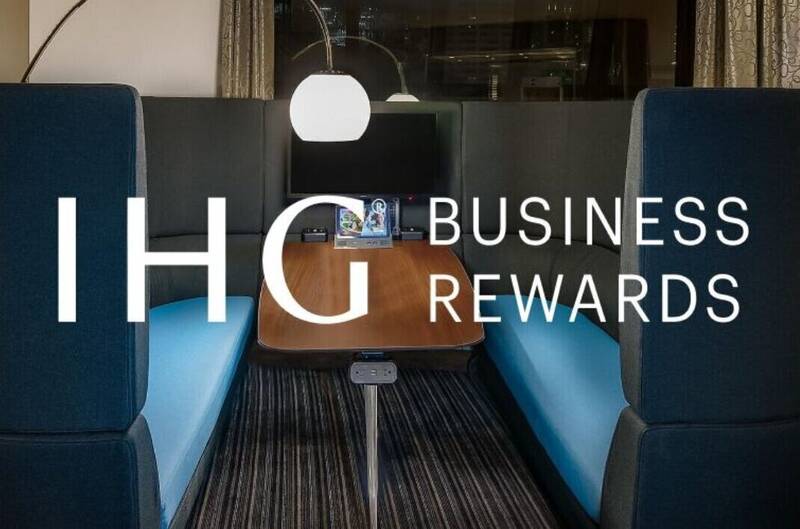
IHG Hotels & Resorts, a global hospitality leader, caters primarily to business and leisure travelers worldwide. Its business model centers on providing a range of hotels and resorts, designed to meet diverse needs, with a particular emphasis on facilitating corporate travel. This focus translates into tailored amenities and services, strategic locations, and a comprehensive approach to ensuring a positive experience for business clientele.
IHG’s core strength lies in its vast network of hotels across various segments, offering a broad selection to corporate clients. This allows for flexible options, tailored to individual business needs and budgets, ensuring that IHG caters to both large corporations and individual travelers with business travel requirements.
IHG’s Business Model for Corporate Travelers
IHG’s business model is meticulously crafted to support corporate travel. It emphasizes strategic partnerships, tailored packages, and a streamlined booking process. IHG recognizes the specific needs of business travelers, including convenient locations, reliable service, and often, access to corporate meeting rooms and other essential amenities.
Key Features and Benefits for Business Clients
IHG offers a comprehensive array of features and benefits for corporate clients. These include:
- Dedicated Corporate Accounts: IHG offers dedicated account managers for large corporations, ensuring personalized service and streamlined booking procedures.
- Negotiated Rates and Packages: IHG frequently negotiates discounted rates and customized packages for corporate clients, optimizing cost-effectiveness for business travel budgets.
- Meeting and Event Spaces: Many IHG hotels provide a range of meeting and event spaces, catering to various group sizes and requirements.
- Loyalty Programs: IHG Rewards Club offers various tiers and benefits, providing incentives for frequent business travelers, like access to priority services and exclusive perks.
Types of IHG Hotels and Suitability for Business Needs
IHG’s portfolio encompasses a diverse range of hotels, catering to varying business needs.
- IHG Hotels: This segment typically provides basic amenities, such as comfortable rooms and convenient locations, suitable for budget-conscious business travel.
- Crowne Plaza Hotels: This category offers upscale amenities, like a restaurant, lounge, and business centers, ideal for business travelers seeking comfort and convenience, often for medium-to-long term stays.
- InterContinental Hotels & Resorts: These luxury hotels are suitable for high-profile business travelers seeking premium accommodations and exceptional service, often with premium meeting spaces and other services.
IHG’s Global Presence and International Business Travel
IHG’s substantial global presence provides significant advantages for international business travel. This expansive network ensures that business travelers have access to IHG hotels across the globe, simplifying travel arrangements and facilitating cross-border business activities.
Comparison with Other Major Hotel Chains
IHG competes with other major hotel chains, like Marriott and Hilton, that also cater to business travelers. IHG differentiates itself through its diverse portfolio of hotels, tailored corporate packages, and global reach. While specific benefits and programs vary among these chains, each aims to streamline business travel and provide a positive experience for corporate clientele.
IHG Business Travel Trends
IHG’s business travel clientele is experiencing significant shifts, driven by evolving preferences, technological advancements, and global economic factors. Understanding these trends is crucial for IHG to effectively cater to the needs of corporate travelers and maintain its market position. This analysis explores current and future trends impacting IHG’s business travel segment.
Evolving Preferences and Expectations of Corporate Travelers
Corporate travelers today are seeking more than just a place to sleep. They prioritize flexibility, personalized experiences, and seamless technology integration throughout their travel journey. This includes options for remote work, enhanced amenities, and convenient booking processes. Modern travelers increasingly value sustainability initiatives, such as eco-friendly hotels and transportation options, and expect transparent pricing and comprehensive service packages. A growing focus on health and well-being is also noticeable, reflected in the demand for gyms, healthy food options, and stress-reducing amenities.
Emerging Technologies and Digital Tools
Digital platforms are reshaping business travel choices. Mobile apps, online booking portals, and virtual meeting solutions are increasingly integrated into the travel process. Corporate travel management systems (CTMS) are becoming more sophisticated, enabling companies to optimize travel budgets and streamline booking procedures. Real-time data analytics and personalized recommendations are improving the traveler experience and enhancing operational efficiency.
IHG’s Adaption to Trends
IHG is proactively adapting to these trends through several strategic initiatives. For instance, IHG is expanding its digital offerings, such as mobile check-in and personalized recommendations through its app. The company is also actively partnering with technology providers to integrate innovative tools into its operations. Furthermore, IHG is focusing on enhancing the traveler experience by providing curated experiences, such as access to local events and tailored recommendations for dining and activities. This demonstrates a commitment to providing seamless and personalized services for corporate travelers.
Future Predictions for IHG’s Business Travel Market Share
Future predictions for IHG’s market share in the business travel sector hinge on several factors. The company’s ability to adapt to emerging trends, enhance its digital offerings, and build strong relationships with corporate travel managers will be crucial. Competition from other hotel brands, as well as evolving traveler expectations, will continue to shape the market. Maintaining a strong presence in key business hubs and strategically expanding into emerging markets could contribute to sustained growth. IHG’s focus on creating a seamless and positive experience for its business travelers will be a critical element in retaining and attracting future business.
IHG Business Partnerships and Programs
IHG’s success in the business travel sector is significantly influenced by its strategic partnerships and loyalty programs. These collaborations provide tangible benefits for both IHG and its corporate clients, fostering mutually beneficial relationships and driving growth for all parties involved. Understanding these partnerships is crucial for comprehending IHG’s overall approach to serving the business travel market.
Key Partnerships with Corporations
IHG maintains a substantial portfolio of partnerships with various corporations and businesses, extending beyond simple accommodation provisions. These partnerships often include comprehensive agreements covering everything from corporate booking platforms to customized travel packages. Such agreements demonstrate a deep commitment to understanding and meeting the unique needs of corporate travelers.
- Many major corporations utilize IHG’s centralized booking systems for streamlined travel management. This centralized approach reduces administrative burden on the corporate side, allowing for easier cost control and better travel policy enforcement.
- IHG frequently collaborates with global companies on bespoke travel packages tailored to their specific business requirements. These packages might include airport transfers, conference room bookings, and customized amenities.
- IHG frequently collaborates with businesses to offer special incentives for their employees. This could involve exclusive discounts, preferred room categories, or early booking bonuses.
Benefits for IHG and Business Partners
These partnerships yield reciprocal advantages for both IHG and its business partners. IHG gains a steady stream of bookings and enhances its reputation as a preferred provider for corporate travel. Business partners benefit from streamlined travel management, cost savings, and access to comprehensive travel solutions.
- IHG benefits from increased revenue and brand visibility by serving as the primary accommodation provider for large corporations.
- Business partners gain from simplified travel processes, potentially leading to cost savings and better control over travel expenses.
- The benefits extend to enhanced employee satisfaction through better travel arrangements.
IHG’s Loyalty Programs and Business Travelers
IHG’s loyalty program, IHG Rewards Club, is specifically designed to cater to the needs of frequent business travelers. It offers various tiers and benefits to encourage repeat bookings and foster long-term relationships. The program’s value proposition is enhanced by its extensive global reach, ensuring that business travelers have access to a wide network of hotels.
- IHG Rewards Club offers points accrual based on spending, which translates to significant benefits for frequent business travelers.
- Elite members often receive exclusive perks, such as priority check-in, upgraded room options, and complimentary amenities.
- The program is particularly valuable for frequent travelers, as the accumulated points can be redeemed for future stays or other rewards.
Initiatives to Attract and Retain Business Clients
IHG consistently develops initiatives to attract and retain business clients. These initiatives include technological advancements, improved customer service, and a commitment to catering to diverse corporate travel needs.
- IHG’s online booking platforms are designed for seamless corporate travel management, simplifying the booking process for business travelers and their companies.
- Dedicated account managers assist corporate clients with tailored travel arrangements, ensuring their specific needs are met effectively.
- IHG often partners with business organizations to host exclusive events and provide specialized training programs.
Corporate Accounts and Travel Arrangements
IHG offers a dedicated corporate account program for businesses. This program allows companies to manage their travel arrangements efficiently, track expenses, and gain insights into their travel patterns. It also allows for customized service agreements tailored to the specific requirements of the corporation.
- Corporate accounts usually involve a dedicated point of contact within IHG to manage bookings, negotiate rates, and provide specialized assistance.
- Companies can often utilize a centralized booking portal to manage travel arrangements for all employees.
- IHG frequently provides detailed reporting on travel expenses and patterns, offering valuable insights for corporate travel management.
IHG Business Revenue Streams
Source: dannydealguru.com
IHG’s business segment plays a crucial role in its overall revenue generation. Understanding the various revenue streams, and how they contribute to IHG’s profitability, is vital for assessing the health and performance of this critical part of the organization. This section details the different revenue sources, highlighting the components contributing to business travel revenue, and how IHG generates income from corporate accounts and group bookings. A comparison with competitor revenue streams is also presented.
Revenue Generation from Business Travel
IHG’s revenue from business travel is a significant component of its overall income. This revenue stream is derived from various sources, including room rentals, food and beverage services, meeting and event spaces, and other ancillary services. The profitability of these services can be impacted by factors like market demand, pricing strategies, and overall economic conditions. Furthermore, the quality of service provided directly influences the revenue generated from business travelers.
Components of Business Travel Revenue
The revenue generated from business travel is multifaceted. Room rentals, the primary revenue source, are impacted by factors such as room type, location, and demand. Food and beverage sales, while often less significant than room rentals, are an important ancillary revenue source. The provision of meeting and event spaces, catering to business needs, represents a substantial revenue opportunity. Finally, ancillary services, including parking, internet access, and concierge services, contribute to the overall revenue generated from business travel.
Revenue from Corporate Accounts
IHG leverages strong relationships with corporate clients to generate revenue through contracts and volume bookings. Corporate accounts often provide a steady stream of bookings, offering predictable revenue streams and fostering long-term partnerships. The negotiation of favorable contracts with corporations is essential for maximizing profitability in this area.
Revenue from Group Bookings
Group bookings, encompassing events, conferences, and meetings, contribute significantly to IHG’s revenue. Successfully managing these bookings, from initial inquiries to final execution, is crucial for optimizing revenue and maximizing customer satisfaction. The careful consideration of various factors, such as group size, event duration, and specific needs, influences the success of these bookings.
Comparison with Competitors
IHG’s revenue streams are comparable to those of its competitors, with room rentals, food and beverage, and meeting/event services forming the core. However, specific strategies and pricing models vary between companies. IHG’s competitive advantage lies in its diverse portfolio of brands, which caters to various business segments and customer preferences. Furthermore, strategic partnerships and loyalty programs can significantly impact the overall revenue generated.
IHG Revenue Breakdown
| Source | Description | Percentage | Profit Margin |
|---|---|---|---|
| Room Rentals | Revenue generated from hotel room occupancy. | 45% | 15-20% |
| Food and Beverage | Revenue from restaurant services, room service, and other food-related items. | 20% | 10-15% |
| Meeting and Event Services | Revenue from renting meeting rooms, organizing events, and providing related services. | 15% | 12-18% |
| Ancillary Services | Revenue from parking, internet access, concierge services, etc. | 20% | 8-12% |
Note: Percentages and profit margins are estimated and may vary depending on specific market conditions and operational strategies.
IHG Business Customer Service
IHG prioritizes exceptional service for its business clientele, recognizing that satisfied business travelers are crucial for its continued success. A strong customer service strategy directly impacts booking decisions and loyalty. This section delves into the various communication channels IHG utilizes, examples of exemplary service, complaint resolution processes, and the overall importance of customer satisfaction.
IHG’s commitment to business travelers extends beyond providing comfortable accommodations. A well-executed customer service approach fosters a positive experience that encourages repeat bookings and referrals, ultimately contributing significantly to IHG’s bottom line.
Communication Channels
IHG employs multiple channels to facilitate seamless communication with business clients. This comprehensive approach ensures accessibility and responsiveness, regardless of the client’s preference. These methods include dedicated account managers, direct email correspondence, online portals, and a readily accessible 24/7 customer support phone line.
Examples of Excellent Customer Service
Positive interactions with business travelers often involve proactive engagement. For instance, a dedicated account manager might anticipate a client’s needs, such as arranging preferred meeting rooms or negotiating special rates, going above and beyond to ensure a smooth experience. Another example involves swiftly resolving an unexpected issue with a client’s booking, offering a suitable alternative with minimal disruption. A proactive response to potential issues often prevents larger problems and fosters a sense of value for the customer.
Complaint Resolution Process
IHG has a structured process for addressing complaints from business clients. The process typically begins with a thorough investigation of the issue by a designated team member. This ensures a clear understanding of the circumstances. Subsequently, a resolution is proposed, and the client is kept informed of the progress throughout the process. This transparent and prompt approach to resolution demonstrates IHG’s commitment to addressing concerns and maintaining a positive relationship with its business clients. Feedback is gathered from the client to ensure that the resolution meets their expectations and the issue is fully addressed.
Customer Service Channels and Response Times
This table Artikels the various channels IHG uses for customer service, along with their respective response and resolution times. This information is crucial for understanding the efficiency of IHG’s service. Accurate response and resolution times are critical for maintaining customer satisfaction.
| Channel | Description | Average Response Time | Resolution Time |
|---|---|---|---|
| Dedicated Account Manager | Direct contact with a designated representative for personalized support. | Within 24 hours | Within 48 hours (typically) |
| Correspondence via email for inquiries and issues. | Within 24 hours | Within 48-72 hours (depending on complexity) | |
| Online Portal | Accessing information and managing accounts through a dedicated online platform. | Instantaneous | Instantaneous (for simple inquiries) or within 24 hours (for complex issues) |
| Phone Support | 24/7 phone support for immediate assistance. | Within 1 minute | Within 2 hours (depending on the issue’s complexity) |
Importance of Customer Satisfaction
IHG recognizes that satisfied business clients are vital for long-term success. High customer satisfaction translates to repeat bookings, positive referrals, and a strong brand reputation within the business travel sector. Furthermore, satisfied clients are more likely to recommend IHG to colleagues and peers, leading to a positive cycle of growth. A customer-centric approach is paramount for IHG’s continued success in the competitive business travel market.
IHG Business Competitor Analysis
IHG Hotels & Resorts faces a highly competitive landscape in the business travel hotel sector. Understanding its rivals’ strengths and weaknesses, along with IHG’s unique selling propositions, is crucial for strategic decision-making and market positioning. This analysis explores key competitors and their strategies to provide context for IHG’s performance and future positioning.
Key Competitors in the Business Travel Hotel Sector
IHG’s primary competitors in the business travel hotel sector include Marriott International, Hilton Worldwide, and Accor. These large hospitality conglomerates offer extensive global hotel portfolios, targeting both leisure and business travelers. Smaller, niche players and independent hotels also represent competition, particularly in specific geographic areas or with specialized services.
Comparison of Strengths and Weaknesses
A comparative analysis reveals varying strengths and weaknesses among competitors. Marriott, for instance, excels in its extensive brand portfolio, including luxury and economy options, providing flexibility for various business traveler needs. Hilton’s strength lies in its loyalty program, which fosters customer retention. Accor, with its diverse portfolio and strong presence in Europe, often targets business travelers with tailored services. IHG, on the other hand, has a focus on a more streamlined, efficient service model and a vast global presence.
IHG’s Differentiation Strategies
IHG differentiates itself through various strategies. Its focus on providing a streamlined and effective customer service experience, combined with its expansive global network, often sets it apart. Moreover, IHG’s strategic partnerships and programs for business travelers, such as corporate agreements and loyalty programs, create a strong value proposition.
Comparative Analysis Table
| Feature | IHG | Marriott | Hilton |
|---|---|---|---|
| Brand Portfolio (Luxury/Economy) | Wide range, balanced | Extensive, catering to diverse needs | Broad, with emphasis on mid-range and luxury |
| Global Presence | Strong, extensive network | Extensive, particularly in key markets | Strong, with focus on key global destinations |
| Loyalty Program | Well-regarded, focusing on value | Robust, offering substantial benefits | Comprehensive, with rewards tailored to travelers |
| Business Traveler Focus | Strong emphasis on efficiency and ease of use | Wide range of options, catering to business travelers | Significant attention to business travel features |
Competitive Strategies of Key Rivals
Marriott’s strategy often involves acquiring and integrating hotels, expanding its portfolio rapidly. Hilton frequently focuses on enhancing its loyalty program’s benefits to retain and attract customers. Accor’s strategy is to maintain a strong presence in key European markets, while also diversifying its brand portfolio. These strategies, among others, underscore the competitive landscape IHG operates within.
IHG Business Operational Efficiency
IHG’s operational efficiency is crucial for maintaining a competitive edge in the dynamic business travel market. Effective management of bookings, supply chains, and customer interactions directly impacts profitability and guest satisfaction. Optimizing these processes allows IHG to allocate resources effectively and provide seamless experiences for both business travelers and corporate clients.
Booking Management Processes
IHG employs a sophisticated system for managing business bookings, encompassing various channels and levels of interaction. This system integrates online booking platforms, corporate travel agencies, and direct customer contact. The process involves real-time inventory management, ensuring accurate availability across various properties and ensuring seamless booking confirmations. Efficient communication protocols are in place to address any booking inquiries or special requests promptly.
Technological Enhancements
IHG leverages advanced technologies to streamline operations and improve efficiency. These include sophisticated reservation systems, property management systems (PMS), and customer relationship management (CRM) platforms. These technologies facilitate data analysis, enabling IHG to understand booking patterns, customer preferences, and market trends. Furthermore, mobile applications and online portals allow business travelers to manage their bookings conveniently and efficiently, while offering IHG greater control over booking processes.
Streamlining Business Operations, Ihg business
Streamlining business operations is paramount for IHG’s success. This involves optimizing workflows, reducing bottlenecks, and enhancing communication channels. The goal is to provide a smooth and efficient experience for both corporate clients and individual business travelers. By focusing on streamlined processes, IHG can reduce operational costs and improve the overall guest experience. A well-defined and executed process ensures consistent service quality and timely responses to inquiries.
Supply Chain Management for Corporate Travel
IHG’s supply chain for corporate travel arrangements involves a complex network of stakeholders. This includes corporate travel agencies, suppliers of transportation services, and various hotel partners. IHG manages this intricate supply chain through sophisticated negotiation processes and agreements, optimizing pricing, service quality, and consistency across its portfolio. The integration of technology into this process enhances efficiency and reduces potential delays or issues.
Reservation and Check-in Procedures
IHG’s reservation procedures are designed to be user-friendly and transparent. These procedures include online booking, phone support, and interaction with corporate travel agents. The reservation system ensures that booking details are accurately recorded and managed. Check-in procedures are streamlined through digital check-in options, reducing wait times and improving the overall guest experience. The use of mobile apps and online portals significantly enhances this process, allowing guests to manage their bookings and check-in seamlessly from their mobile devices.
IHG Business Marketing Strategies
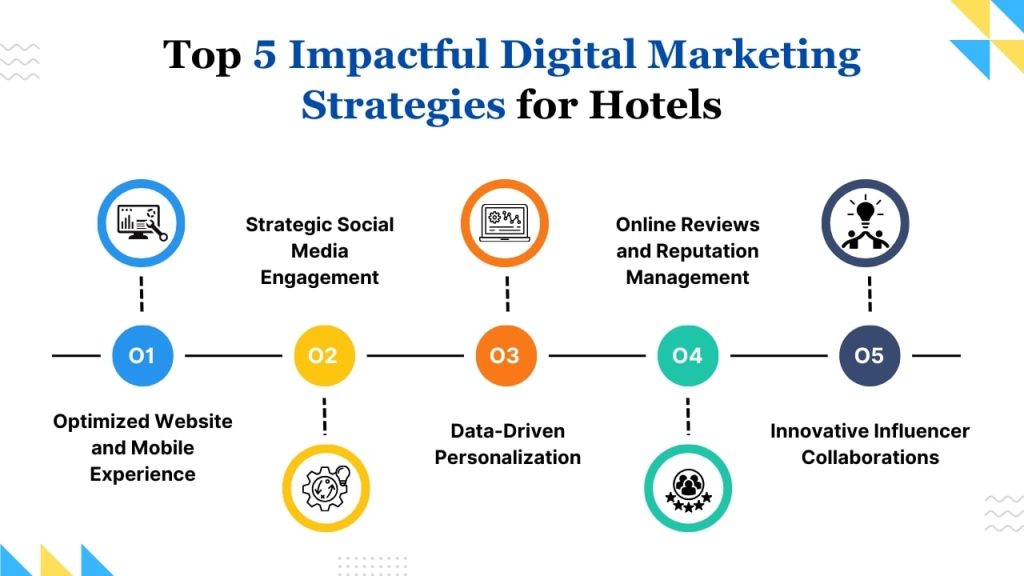
IHG, a global hospitality leader, employs a multifaceted marketing approach to attract and retain business travelers. This strategy is critical to their revenue generation and market position. Understanding the specific marketing strategies and their impact on IHG’s bottom line provides valuable insights into their overall business performance.
IHG’s marketing strategies are meticulously designed to cater to the unique needs and preferences of business travelers. These strategies encompass a broad spectrum of online and offline channels, ensuring comprehensive reach and engagement. By leveraging various platforms, IHG aims to establish a strong brand presence and foster loyalty among its business clientele.
IHG’s Targeting Strategies for Business Travelers
IHG meticulously segments its target audience to tailor its marketing efforts. They identify specific needs and preferences within the business traveler demographic, including frequent travelers, budget-conscious professionals, and luxury travelers. This segmentation enables IHG to create personalized experiences and offers, thereby enhancing customer satisfaction.
Marketing Campaigns Tailored to Business Travelers
IHG regularly launches targeted marketing campaigns to promote its brand to business travelers. These campaigns often highlight the value proposition of IHG hotels, such as convenient locations, complimentary amenities, and enhanced digital tools. For example, a campaign emphasizing seamless online booking and check-in procedures would appeal to the modern business traveler.
Use of Online and Offline Channels in Marketing
IHG effectively utilizes both online and offline channels to reach business travelers. Their online presence includes a robust website with detailed information on hotel locations, amenities, and special offers for business travelers. This is complemented by social media engagement, targeted advertising, and online booking platforms. Offline channels, such as partnerships with business organizations and travel agencies, provide additional avenues for reaching potential customers.
Effectiveness of IHG’s Marketing Approaches
The effectiveness of IHG’s marketing approaches can be assessed through various metrics, including website traffic, booking conversions, and customer feedback. Tracking these metrics allows IHG to identify successful strategies and areas for improvement. Positive customer reviews and high booking rates are strong indicators of a successful marketing strategy. The success of a marketing campaign is further measured by the campaign’s ability to generate leads and convert them into paying customers. Successful campaigns demonstrate a clear understanding of the target audience and deliver on their needs and expectations.
Impact of Marketing Strategies on IHG’s Business Revenue
IHG’s marketing strategies have a direct impact on their overall business revenue. By effectively reaching and engaging business travelers, IHG can increase occupancy rates, average daily rates (ADRs), and overall revenue. Stronger brand recognition, positive customer experiences, and enhanced online visibility all contribute to higher revenue generation. A well-executed marketing campaign tailored to business travelers leads to increased bookings, higher revenue streams, and greater profitability for the company. The correlation between effective marketing strategies and improved revenue is substantial.
Ending Remarks
In conclusion, IHG’s business model is multifaceted, encompassing everything from its global presence and diverse hotel types to its innovative partnerships and customer service protocols. The analysis reveals a company deeply attuned to the evolving landscape of business travel. By adapting to trends, fostering strong partnerships, and prioritizing customer satisfaction, IHG positions itself for continued success in the competitive hotel industry. The key takeaways are clear: IHG’s strength lies in its comprehensive approach to catering to the needs of business travelers, from practical aspects like streamlined operational processes to the intangible aspects of building strong relationships.