Marriott Business Card A Comprehensive Guide
Marriott business cards are more than just pieces of paper; they’re powerful tools for networking, brand representation, and driving business. This guide delves into the design, functionality, usage, trends, data implications, distribution, maintenance, and security of these crucial marketing assets.
From the sleek designs of high-end brands like Ritz-Carlton to the practical cards for front desk staff, this exploration covers the spectrum of Marriott business card applications. We’ll examine how different card formats serve diverse employee roles and explore the potential of integrating sustainable materials and digital alternatives.
Marriott Business Card Functionality
A Marriott business card serves as a crucial tool for professional networking and representing the brand. Its design and content should be tailored to the specific role of the employee, ensuring clear communication and facilitating interactions with potential partners, clients, and colleagues. The information presented should be accurate, concise, and easily accessible.
A well-designed Marriott business card fosters a positive first impression, enabling efficient communication and relationship building. The card’s functionality extends beyond simple contact information, facilitating specific interactions and demonstrating the brand’s commitment to professionalism and efficiency.
Information Typically Included
Marriott business cards typically include the employee’s full name, title, and contact information, including a phone number, email address, and potentially a company website. These details provide immediate access to the employee and their area of expertise within Marriott. The inclusion of a professional headshot, if appropriate for the card’s design, can further enhance the personal touch and brand image.
Business Card Formats for Different Roles
Different Marriott employee roles necessitate varying business card formats. Front desk staff, for instance, may benefit from a more compact design emphasizing contact details and quick accessibility. Sales representatives might prefer a larger card to showcase product information or highlight special offers, while executives might choose a card reflecting a more sophisticated and formal design, potentially including a brief description of their areas of expertise. The specific needs of each role dictate the appropriate level of detail on the card.
Facilitating Networking and Professional Interactions
A business card facilitates networking and professional interactions by providing a concise summary of the employee’s role and contact details. This allows for easy exchange of information and follow-up communication. It also allows recipients to easily connect with the employee through the provided channels, making the interaction more efficient and meaningful. This straightforward method promotes the development of professional relationships.
Representing the Marriott Brand
The business card acts as a tangible representation of the Marriott brand. Its design, color scheme, and overall aesthetic should align with the Marriott brand guidelines, ensuring consistency and reinforcing the company’s image of quality, professionalism, and service excellence. The card’s presentation should maintain a level of sophistication appropriate for the Marriott brand, creating a cohesive image across all interactions.
Specific Uses of a Marriott Business Card
Marriott business cards are valuable tools for various purposes. They can be used for booking meetings, making referrals, and establishing connections. The information on the card allows for the efficient scheduling of meetings and appointments. Referrals can be facilitated through the inclusion of specific contact details or designated channels. Building a network of contacts and referrals can benefit both the employee and the hotel.
Marriott Business Card Usage
The Marriott business card, a key tool for our representatives, serves as a vital extension of their professional identity and a direct conduit for building relationships with clients. Effective use of this card is critical for fostering positive interactions and maximizing lead generation opportunities.
Proper handling and presentation of the Marriott business card reflect positively on the brand, projecting professionalism and commitment to client satisfaction. This document details the standard operating procedures for utilizing the card during client interactions and articulates its significance in cultivating lasting business relationships.
Typical Usage Scenarios
Marriott representatives utilize business cards in various situations throughout client interactions. These scenarios include initial introductions, follow-up communications, and networking events. They are also valuable for recording key details during conversations and for later reference. The cards facilitate easy information exchange and streamline the process of gathering and sharing essential details.
Examples of Usage by Marriott Employees
Marriott employees use the card in several ways. For instance, during a hotel booking consultation, a representative might exchange cards with a prospective client to confirm details and provide a personalized follow-up. At industry conferences, employees might use cards to connect with potential partners or clients, sharing valuable information and building connections. In pre-event correspondence, the card can be utilized to acknowledge the request and maintain contact.
Importance of Proper Business Card Etiquette
Observing proper business card etiquette is paramount for Marriott representatives. This involves presenting the card with both hands, making eye contact, and ensuring the information is legible and accurate. The recipient should be addressed with courtesy and respect, and the conversation should be tailored to the specific needs of the client. Maintaining a professional demeanor and actively listening to the client’s needs is crucial. This demonstrates a commitment to customer service excellence.
Role of Business Cards in Building Relationships
Business cards play a significant role in building relationships with clients. By exchanging cards, representatives establish a tangible connection and provide a point of contact for future communication. This physical exchange of information fosters trust and facilitates follow-up interactions. The card serves as a reminder of the initial interaction and can be used as a starting point for future discussions and collaborations.
Lead Generation Flowchart
The following flowchart demonstrates the steps in using a Marriott business card for lead generation:

Note: This is a generic flowchart placeholder. A detailed visual representation of the process should be included in the final document.
The flowchart illustrates a structured approach to lead generation using the business card. It emphasizes the importance of follow-up and the use of various communication channels to nurture leads. This process underscores the value of maintaining a professional relationship with clients and prospects.
Marriott Business Card Trends
Modern business card design is evolving rapidly, reflecting shifting professional expectations and technological advancements. Marriott, as a leading hospitality brand, can leverage these trends to enhance brand recognition and foster stronger connections with clients and partners. A well-designed, contemporary business card can leave a lasting positive impression and be a key element of the guest experience.
This discussion examines current business card design trends, considering their implications for Marriott’s unique brand identity and operations. By adapting to these trends, Marriott can ensure its business cards remain effective tools for networking, information sharing, and brand representation.
Current Trends in Business Card Design
Business card design is increasingly focused on minimalism, incorporating clean lines, high-quality materials, and subtle branding elements. The emphasis is on conveying information concisely and aesthetically. Marriott can utilize these design principles to maintain a sophisticated and refined image. The trend towards personalization is also significant, with some cards incorporating subtle elements reflecting the recipient’s background or shared interests. Marriott can subtly integrate such personalized elements into their cards, creating a more bespoke experience.
Technology’s Influence on Business Cards
Technology is reshaping the use of business cards within the hospitality industry. Digital business cards, often accessed through QR codes, provide a convenient way to share contact information and access relevant online profiles. This trend is particularly relevant in the modern hospitality industry, where guest interaction often occurs digitally. Marriott can integrate QR codes into its cards to offer guests immediate access to reservation details, special offers, and other valuable information. Further, the ability to link these cards to social media profiles is also important, enabling guests to easily connect with Marriott on different platforms.
Comparison Across Industries
Business card trends vary across industries, reflecting the specific needs and priorities of different professional sectors. The hospitality industry often prioritizes creating a welcoming and memorable experience, while other sectors might focus more on showcasing technical expertise or company history. Marriott can maintain its unique brand identity while adopting elements of contemporary design to create a cohesive brand experience. A consistent design across all Marriott business card types is key.
Digital Business Cards and Their Impact
Digital business cards are gaining prominence, enabling seamless information sharing and access to extensive profiles. By integrating QR codes or other digital functionalities into Marriott’s business cards, the brand can streamline communication and provide a modern touch. A key aspect of the digital approach is enabling customers to easily access relevant information or make reservations on the spot. This technology streamlines processes and enhances guest satisfaction.
Sustainable Materials in Business Cards
Sustainable materials are gaining significant traction in business card design, reflecting a growing awareness of environmental concerns. Marriott can integrate eco-friendly options such as recycled paper or plant-based materials into its business cards, aligning with its commitment to sustainability and corporate social responsibility. The use of biodegradable inks and minimal packaging can also contribute to a more sustainable approach.
Marriott Business Card Data
Marriott’s business cards, beyond their primary function of identification, can serve as valuable tools for data collection and marketing. Careful tracking of usage patterns allows for a deeper understanding of guest preferences and needs. This data can then be used to enhance the guest experience and optimize marketing strategies.
Data collected from business cards can be highly beneficial for Marriott’s strategic planning and targeted marketing initiatives. By understanding how guests utilize the cards, Marriott can refine its offerings and better meet the demands of its target audience. This data-driven approach to service enhancement is increasingly important in the competitive hospitality industry.
Data Collection Methods for Marketing Purposes
Marriott might employ various methods to track business card usage, ranging from simple QR codes on the cards to sophisticated NFC chip technology. These methods allow Marriott to gather data on interactions, locations, and connections made by cardholders.
- QR Codes: Business cards with embedded QR codes allow users to scan and access digital information. This method allows for gathering contact details, preferred communication channels, and reservation information. Examples of how Marriott could use this data include personalized email campaigns or targeted promotions.
- NFC Chips: Cards equipped with Near Field Communication (NFC) chips can provide real-time interaction data, facilitating seamless connections between the card and Marriott’s systems. This allows for automated check-in processes, personalized welcome messages, and targeted recommendations.
- Database Integration: Marriott can integrate business card data into its existing CRM systems. This allows for seamless data sharing and analysis, providing a comprehensive view of guest interactions and preferences. This integration helps tailor marketing efforts to specific guest segments.
Data Points Collected from Business Cards
The data collected from business cards can encompass a range of information, providing insights into guest preferences and behaviors.
- Contact Information: Essential details like name, email, and phone number are crucial for communication and personalized service. This allows for targeted email campaigns, reservation confirmations, and prompt responses to inquiries.
- Usage Patterns: Tracking how frequently a card is used, the locations visited, and the dates of visits can provide insights into guest preferences and patterns of travel. This data helps tailor future offers and promotions.
- Transaction History: Recording information about hotel stays, restaurant visits, or other interactions with Marriott properties helps understand guest spending habits and preferences. This data can guide marketing strategies and product development.
Ethical Considerations of Data Collection
Collecting data from business cards necessitates a careful consideration of ethical implications, especially concerning guest privacy.
- Transparency: Marriott should communicate its data collection policies and the purpose of collecting data. Guests should be aware of how their information is used and have the option to opt out.
- Data Security: Robust security measures are essential to protect sensitive guest information from unauthorized access or breaches. Data encryption and secure storage protocols are vital.
- Data Minimization: Marriott should only collect the data necessary for the stated purposes. Excessive data collection should be avoided.
Improving Marriott Services with Collected Data
The data gathered from business cards can be effectively used to enhance Marriott’s services and create a more personalized guest experience.
- Personalized Recommendations: Data analysis can provide insights into guest preferences, allowing for personalized recommendations for restaurants, activities, or other services.
- Targeted Marketing: Identifying specific guest segments allows for more effective marketing campaigns and tailored offers, leading to higher conversion rates.
- Service Enhancements: Understanding guest needs and preferences can drive improvements in hotel services, such as room preferences, dining choices, and transportation.
Data Collection Methods Comparison
| Company | Method | Data Collected |
|---|---|---|
| Marriott | QR codes, NFC chips, and database integration | Contact information, usage patterns, transaction history |
| Hilton | Loyalty program, online booking | Guest preferences, booking history, and spending habits |
| Hyatt | Mobile app, loyalty program | Location data, preferences, and booking history |
Marriott Business Card Distribution
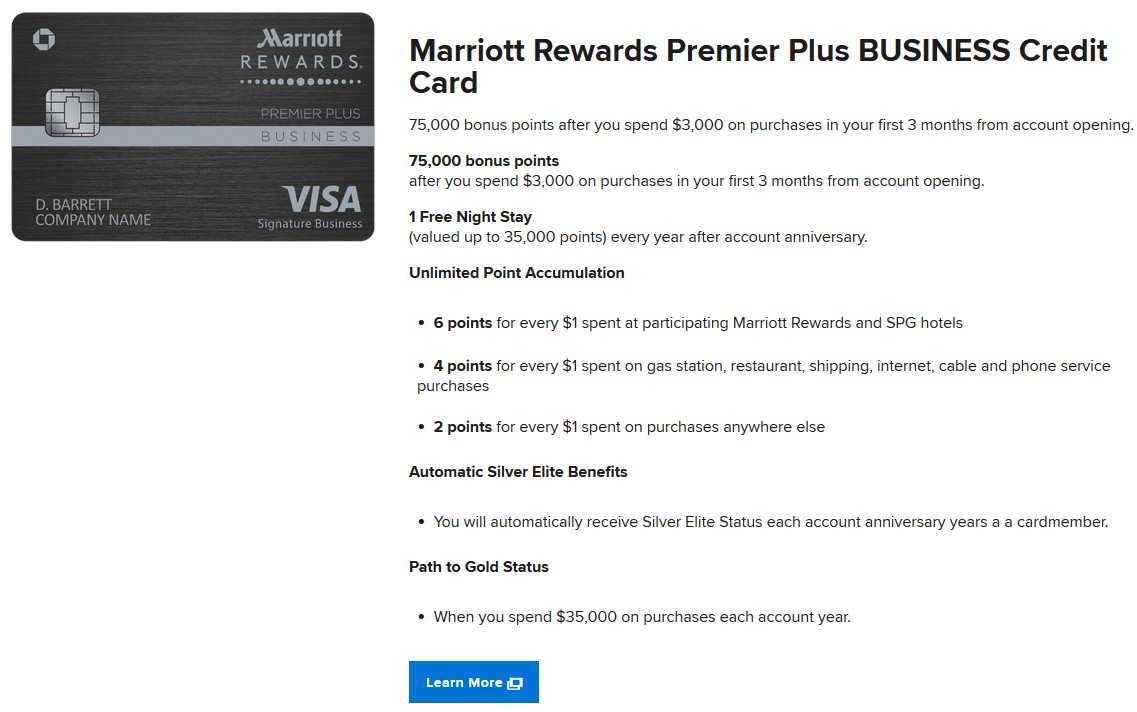
Source: boardingarea.com
Effective distribution of Marriott business cards at various events is crucial for brand visibility and networking opportunities. A well-planned strategy can significantly increase lead generation and foster relationships with potential clients and partners. Proper card distribution methods are key to maximizing the return on investment (ROI) for any marketing campaign involving business cards.
Strategic distribution ensures the cards reach the intended audience, highlighting the value proposition of Marriott’s services. This involves understanding the target audience and selecting appropriate channels for maximum impact. Choosing the right methods and ensuring the cards are in the hands of the right people directly impact the effectiveness of the entire campaign.
Different Methods for Distribution at Events
Various methods are available for distributing Marriott business cards at events. These range from traditional approaches to more modern techniques, each with its strengths and weaknesses. Effective distribution strategies often blend these techniques for optimal impact.
- Table Tent/Reception Desk: Placing a table with a designated representative and a well-stocked supply of cards is a classic approach. This method allows for direct interaction with potential clients, providing an opportunity for personalized engagement and answering questions about Marriott’s offerings. This is particularly effective at large-scale events where high visibility and easy access to the cards are essential.
- Event Staff Distribution: Employing event staff to distribute cards strategically throughout the event can be a highly effective method. Staff members can be trained to identify key prospects and tailor their approach to these individuals. This method ensures that the cards are distributed to the most likely leads.
- Networking Stations: Designating specific areas within the event as networking stations can encourage interaction and facilitate the exchange of business cards. This creates a focused environment where attendees are more inclined to engage with each other and with Marriott representatives. These stations can also feature displays highlighting Marriott’s latest initiatives and offerings.
- Exhibitor Booths: At trade shows and exhibitions, booths provide a dedicated space for distributing cards. The strategic placement of cards near promotional materials and information displays can increase the likelihood of attendees requesting cards. Providing incentives, such as a small gift with the card, can further enhance engagement.
- Digital Card Sharing: Implementing digital business cards, which can be shared via QR codes or mobile apps, provides a modern alternative to traditional cards. This method allows for the immediate sharing of contact information and facilitates data collection for future follow-up. This is particularly useful for events where attendees have limited time.
Effectiveness Comparison of Distribution Methods
The effectiveness of a distribution method depends on several factors, including the type of event, the target audience, and the resources available. Careful consideration of these factors is key to selecting the most appropriate strategy.
- Table Tent/Reception Desk: This method excels at reaching a wide audience and generating initial interest. However, its effectiveness can be diluted if not managed efficiently, and personal interaction is essential.
- Event Staff Distribution: This method often yields higher conversion rates as staff can tailor interactions and identify potential clients. However, it requires a larger staff investment compared to other methods.
- Networking Stations: These stations create focused interaction, potentially leading to deeper connections and more meaningful conversations. This approach works best at events with a specific networking focus.
- Exhibitor Booths: High foot traffic and focused engagement at these booths can result in a high volume of card exchanges. However, the effectiveness is highly dependent on the overall engagement and visibility of the booth.
- Digital Card Sharing: This method can be incredibly effective in capturing data and facilitating immediate contact, particularly with younger audiences or those tech-savvy individuals. However, it may not be suitable for all events or audiences.
Cost-Effectiveness of Business Card Distribution Strategies
The cost-effectiveness of different business card distribution strategies varies significantly. Careful consideration of the costs associated with materials, personnel, and event space is necessary for a successful campaign.
- Table Tent/Reception Desk: This method has relatively low costs for materials but may require personnel expenses, depending on staffing needs.
- Event Staff Distribution: This method can be more expensive, depending on the number of staff needed and their compensation.
- Networking Stations: This approach may require additional equipment or space rentals, but the cost can be justified by the potential for higher-quality leads.
- Exhibitor Booths: Costs associated with booth rentals, materials, and personnel vary widely, depending on the size and nature of the event. Cost-effectiveness is dependent on the event’s overall ROI.
- Digital Card Sharing: This method generally has the lowest cost associated with materials, as it eliminates printing and physical distribution costs. However, the cost of implementing and maintaining the digital platform must be considered.
Promotional Campaign Design, Marriott business card
A comprehensive promotional campaign involving business cards should integrate the cards seamlessly into the overall marketing strategy. The campaign should align with the broader marketing goals and target audience. This includes clear messaging and visual consistency throughout all campaign materials.
Marriott Business Card Distribution Channels
| Channel | Description | Effectiveness |
|---|---|---|
| Table Tent/Reception Desk | Centralised distribution point | High visibility, good for initial engagement |
| Event Staff Distribution | Targeted distribution by trained personnel | High conversion rates, tailored approach |
| Networking Stations | Focused networking areas | Excellent for deeper connections |
| Exhibitor Booths | Dedicated space at trade shows | High volume exchange, visibility is key |
| Digital Card Sharing | Modern, digital distribution | High data capture, immediate contact |
Marriott Business Card Maintenance
Maintaining a current and accurate business card database is crucial for Marriott’s operational efficiency and professional image. A well-maintained database streamlines communication, facilitates targeted marketing efforts, and ensures that key contacts have the most up-to-date information. This, in turn, fosters stronger relationships and promotes overall success.
Effective maintenance ensures that business cards reflect the most current contact information, preventing miscommunication and lost opportunities. This proactive approach saves time and resources by avoiding unnecessary follow-ups and inquiries.
Importance of a Clean and Updated Database
A clean and updated database minimizes errors in communication and ensures that valuable connections have access to the most current contact information. This minimizes misdirected correspondence and ensures that critical information reaches the correct parties, fostering smoother interactions and building stronger relationships.
Procedure for Updating and Maintaining Business Card Information
A systematic approach to updating business card information is essential for maintaining a current and accurate database. A defined procedure helps ensure consistency and minimizes errors. This structured approach ensures that all updates are recorded and tracked, promoting accountability and allowing for easy auditing.
- Regularly scheduled reviews of the database are critical. These reviews should identify and correct outdated contact details, ensuring that information remains accurate and reflects the most current situation.
- Implement a system for automatically flagging outdated information. This could involve setting a specific date range or triggering alerts when certain details, such as job titles or company affiliations, change.
- Establish clear protocols for receiving and processing updates. This may include designated personnel, specific forms, or online portals.
Ensuring Business Cards Reflect Current Contact Details
To ensure business cards reflect current contact details, a proactive approach is needed. This approach involves periodic checks and updates to ensure accuracy. This proactive approach helps to maintain the relevance and value of the business card database.
- Regularly cross-reference business card information with company websites, LinkedIn profiles, or other publicly available sources to verify accuracy.
- Implement a system for confirming updates. This could include an email confirmation to the individual whose information is being updated.
- Encourage individuals to self-update their information through a dedicated portal or system.
Methods for Archiving Old Business Cards
Archiving old business cards efficiently is vital for maintaining a streamlined database. Proper archiving allows for easy retrieval when necessary and prevents unnecessary clutter. This structured approach maintains organized records for future reference.
- Establish a clear archiving policy. This policy should Artikel criteria for determining when a business card is considered “old” and should specify the archiving process. This includes the location, format, and method of storing the archived information.
- Consider using a digital archiving system. This allows for easy searching, retrieval, and backup of information.
- Employ a digital or physical file-management system to categorize and store archived business cards. This can include s, dates, or other relevant information to aid in retrieval. For physical archives, consider using labeled folders or binders.
Summary of Steps in Maintaining a Business Card Database
The following table articulates the key steps involved in maintaining a business card database. This organized approach facilitates efficient maintenance.
| Step | Description |
|---|---|
| Regular Review | Identify and correct outdated information. |
| Automated Flagging | Implement a system to flag outdated information. |
| Update Protocols | Establish clear protocols for receiving and processing updates. |
| Verification | Cross-reference information with external sources. |
| Confirmation | Implement a system for confirming updates. |
| Self-Update System | Encourage individuals to update their information. |
| Archiving Policy | Establish a clear policy for archiving old business cards. |
| Digital Archiving | Consider using a digital archiving system. |
| File Management | Categorize and store archived business cards. |
Marriott Business Card Security
Maintaining the security of Marriott business cards is crucial for protecting sensitive information and preventing fraud. A lost or stolen card can lead to significant reputational damage and financial loss. Robust security measures are essential for safeguarding both the cardholder and the Marriott brand.
Protecting business card information extends beyond just the card itself. It encompasses the data printed on the card, the associated contact information, and the potential for misuse in various scenarios. Implementing preventative measures and establishing clear procedures for handling lost or stolen cards are vital components of a comprehensive security strategy.
Importance of Security Measures
Protecting business cards is not just about preventing immediate financial loss; it also safeguards the reputation of Marriott and the individuals who carry the cards. A security breach can damage trust and erode credibility. Implementing security protocols demonstrates a commitment to responsible business practices.
Risks of Business Card Loss or Theft
Loss or theft of a business card can expose sensitive data to unauthorized individuals. This includes personally identifiable information (PII), such as the cardholder’s name, contact details, and potentially job title and company information. This information can be exploited for fraudulent activities, identity theft, or malicious purposes. Examples include unauthorized access to accounts, creating fraudulent invoices, or impersonating the cardholder for various purposes.
Security Measures for Preventing Unauthorized Access
Implementing robust security measures can mitigate the risks associated with business card loss or theft. These measures include:
- Implementing secure card design: Using tamper-resistant materials and subtle security features like microprinting or holograms can deter fraud attempts.
- Enforcing strict card handling procedures: Employees and cardholders should be trained on proper handling and storage of business cards, ensuring they are not left in unsecured locations.
- Utilizing secure storage solutions: Employing secure cabinets or designated areas for storing business cards can help protect them from theft or accidental loss.
- Employing a robust access control system: Limiting access to sensitive information and card storage areas is crucial to prevent unauthorized individuals from gaining access to cards.
Protecting Sensitive Data Printed on the Business Card
Protecting sensitive data on the business card is crucial. The information printed on the card should be carefully considered, minimizing the inclusion of highly sensitive personal data, such as social security numbers or bank account details. The inclusion of such details should be carefully reviewed and justified to avoid unnecessary risks.
Procedures to Follow in Case of a Lost or Stolen Business Card
Establishing clear procedures for handling lost or stolen business cards is critical. These procedures should include:
- Immediate notification: Cardholders should be promptly notified of the loss or theft, enabling them to take necessary steps to cancel or secure associated accounts.
- Reporting the incident: The incident should be reported to the appropriate security authorities, including internal departments at Marriott, to initiate investigations and prevent further misuse.
- Reissuance procedures: Implementing a streamlined process for reissuing business cards is essential, ensuring minimal disruption to business operations.
- Reviewing security protocols: Regular reviews of security protocols and procedures are essential to adapt to evolving threats and maintain a robust security posture.
Epilogue
In conclusion, Marriott business cards are pivotal to the company’s overall brand image and customer interactions. This guide highlights the multifaceted nature of these cards, from their design and functionality to their role in data collection, distribution, and security. Understanding these aspects empowers Marriott employees to effectively leverage business cards for networking, lead generation, and fostering strong client relationships. Ultimately, the discussed strategies, ranging from design choices to distribution methods and data management, contribute to a more robust and efficient representation of the Marriott brand.